Suppose you were to imagine a scenario where you're protecting your family. This is especially crucial if you're suffering from chronic conditions like Diabetes.
The people who suffer from pre-diabetes, gestational Type 1 and Type 2 diabetes shouldn't be prevented from getting the life insurance they're entitled to. It is common for us to see people eligible for life insurance for Diabetes at much lower rates than anticipated. If you're ready to receive exact life insurance information and quotes, please fill out the quote request form or contact us now. A representative will call you and guide you through the application procedure.
Life insurance, on average, for those with Diabetes will be more expensive than coverage for people who don't have the condition. Because life insurance companies base prices on your life expectancy, A chronic health issue such as Diabetes usually means higher rates.
Type 1 - also known as "insulin-resistant diabetes" - can be more challenging to manage. If it develops at a later time in the life span, it's affected your body and health for a short period. Indeed, Type 1 diabetes is typically diagnosed in children or teenagers, increasing risk and linked to higher insurance premiums.
Type 2 diabetes is often diagnosed later than Type 1, so it will take longer to impact the body. If that's the situation, and you've figured out how to manage it through exercise and diet, You're likely to be eligible for the lowest prices (concerning those with Diabetes). But regardless of Type 2 diabetes, people who suffer from diabetes-related issues and who are insulin dependent will see their life insurance choices restricted and their premiums more significant due to risk.
Preexisting medical conditions are a common reason people face more difficulty applying for a life insurance plan. However, most medical conditions like Diabetes aren't necessarily mean that a person is not eligible for insurance coverage. Most of the time, people who have Diabetes can still qualify for life insurance. However, they may need to pay more for insurance than someone without an existing condition. How much? It depends on the kind of life insurance plan and Diabetes in addition to other aspects.
Suppose you're looking for insurance coverage that doesn't require an exam for medical reasons or are worried that you might have undiagnosed issues with Diabetes. You can choose the no-medical-exam life insurance policy. In general, they aren't offered more than $500,000 in the term life insurance or $50,000 for whole life insurance. These policies will still have to complete a diabetes questionnaire and give the life insurance company the right to access your medical documents. The insurance cost is higher, and they can let you get the coverage you wouldn't be eligible for without a medical exam. However, you must be aware that if an applicant does not disclose their health concerns in the insurance application, their insurance could be canceled or, even more seriously, the life insurance company could decline the claim of the family if the policyholder dies.
Many people who have Diabetes are eligible for life insurance. For those with well-managed health issues and who are generally healthy, it is possible to get low-cost life insurance for those who have Diabetes.
Type 2 diabetes is often diagnosed later than Type 1, making it less likely to impact the body. Suppose that's the situation, and you've figured out how to manage it by exercising and eating right. In that case, you are expected to be eligible for the lowest prices (concerning those with Diabetes). But regardless of Type 2 diabetes, people who have complications related to Diabetes and who are insulin dependent will find their life insurance choices limited and the cost of their insurance more expensive due to the risk.
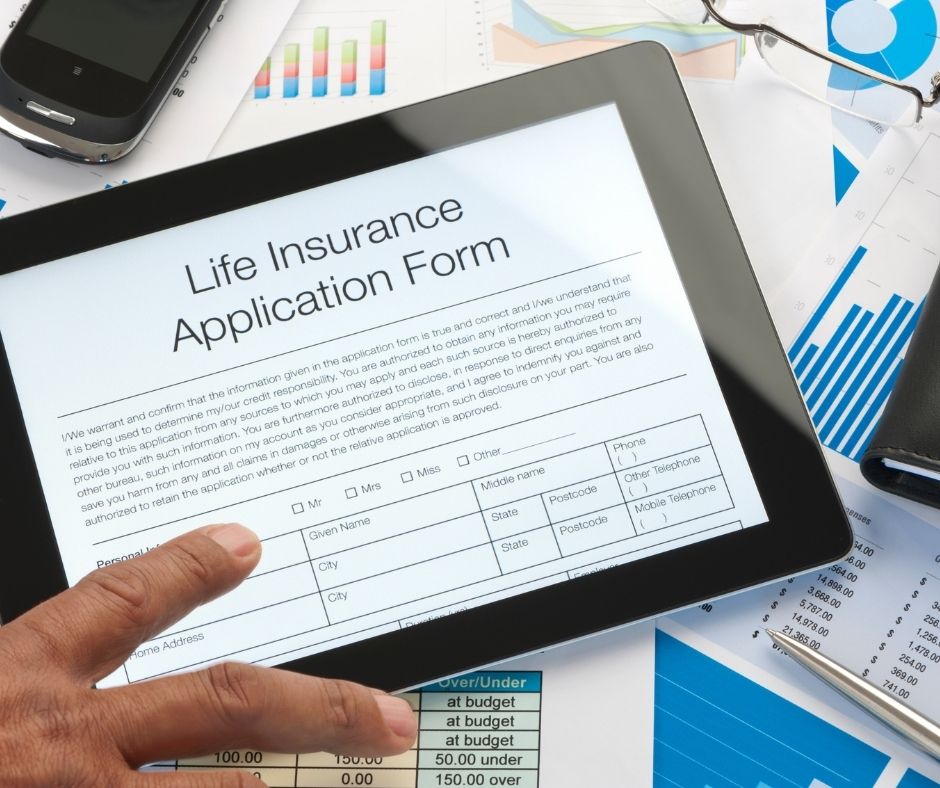
Preexisting medical conditions are the most common reason people cannot obtain an insurance policy covering life. However, many medical conditions like Diabetes do not necessarily make a person ineligible for insurance coverage. Most of the time, those who have Diabetes can still be eligible for life insurance, but they might need to pay more for insurance than those with no existing condition. How much? It depends on the type and amount of the insurance as well as Diabetes and other variables.
You can purchase life insurance if you have Diabetes or at a lower cost. But, different companies have different life insurance policies for people who have Diabetes. Your coverage and pricing options will vary based on the type of Diabetes you suffer from, the type of policy you're looking for, the length of time you've had Diabetes, and how well you're managing it.
In the process of underwriting, the life insurer will ask about the kind of Diabetes you suffer from. The most common type is Type 1 Diabetes or Type 2 Diabetes, as well as Gestational Diabetes. Patients with any Diabetes can still obtain life insurance. However, based on the diagnosis used to determine if the application process could be lengthy and the coverage options more restricted.
People with preexisting health conditions typically face more difficulty finding a life insurance policy. However, several health conditions, like Diabetes, don't necessarily mean a person is not eligible for insurance coverage. Most of the time, people who have Diabetes can obtain life insurance still. However, they may be required to pay more than someone who does not have an existing condition. How much? It depends on the kind of life insurance plan and Diabetes in addition to other aspects.
Suppose you are looking for coverage that does not require an exam for medical reasons or are worried about undiagnosed diabetes problems. It is possible to purchase an insurance policy that does not require a medical exam. In general, they aren't offered more than $500,000 for term life insurance or $50,000 for whole life insurance. These policies require a diabetes-related questionnaire and grant the insurance company permission to obtain your medical documents. The cost of insurance is higher. However, they could permit you to get the coverage you might not be eligible for without a medical exam. But, it is vital to be aware that if an applicant is lying about their health when filling out an insurance application, their insurance could be canceled or, in the worst case, the life insurance company could refuse the claim of the family when the policyholder dies.
Type 1 - also known as "insulin-resistant diabetes" - can be more challenging to manage. When it happens at a later time in the life span, it's affected your body and health over a shorter period of duration. It is true that Type 1 diabetes is usually diagnosed in children and teens, resulting in more risk, and tends to be associated with higher rates.
If Diabetes is controlled, It's possible to be eligible for a standard long-term or permanent plan with affordable rates. Life insurance for the term is cheaper and can only cover you for death within a specified amount of time. Contrarily permanent life insurance, like whole life insurance and universal life, can provide protection no matter when you die.
Life insurance for Type 2 diabetics, who constitute around 95% of patients who have Diabetes across the U.S., is generally cheaper than policies for people with Type 1 diabetes. The type of Diabetes is more likely to be more prevalent in those who are 45 or more. However, it is increasingly frequent in teenagers and children.
Type 1 - also known as "insulin-resistant diabetes" - can be more challenging to manage. When it happens late in your life, it affects your body and health over a shorter period. But, Type 1 diabetes is typically diagnosed in children or teens, resulting in increased risk and is generally associated with higher rates.
The kind of Diabetes that you suffer from could impact the cost you'll have to be charged for insurance. Good news: If you're managing your Diabetes effectively, you may be able to secure the best rates. This is how prices can vary for those with different types of Diabetes.
If you're Diabetes is uncontrolled or advanced, or you've had a history of high blood sugars and lows (more typical of Type 1 diabetes), you might want to apply for a simplified issue insurance policy. This insurance requires no medical examination but is subject to a health test.
Life insurance plans for Type 1 diabetes patients can be more challenging to find or more expensive than policies that have Type 2 diabetes policies. It is most often seen in teens, children and young adulthood. People who have Type 1 diabetes produce little or no insulin and require insulin as a shot or pill.
You can still qualify for whole life insurance if you are diagnosed with diabetes — although some insurers might not offer you whole coverage if you have type 1 diabetes or additional conditions affecting your health.
Yes, many people with diabetes can qualify for life insurance. For people with well-managed conditions who are generally healthy, it's even possible to find affordable life insurance for people with diabetes.